
What to See at Opera Garnier
A walkthrough of Palais Garnier — the Grand Staircase, Grand Foyer, Chagall’s auditorium ceiling, the underground lake, the library-museum, and the building’s extraordinary history.
The Grand Staircase, Chagall ceiling in the auditorium, and the Grand Foyer.
Access depends on rehearsal schedule — not guaranteed on every visit.
Real but not visitable. Learn about it in the library-museum.
Allowed in most areas. No flash. No tripods.
Top Highlights at Opera Garnier
The most significant sites every visitor should see.
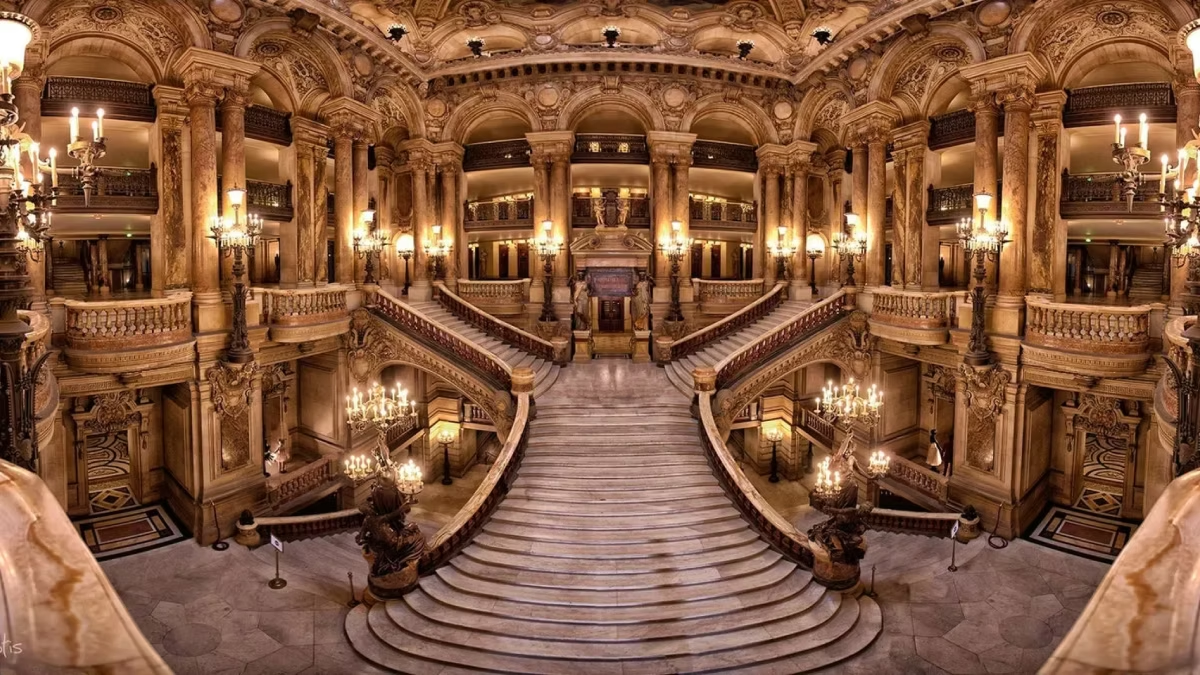
The Grand Staircase
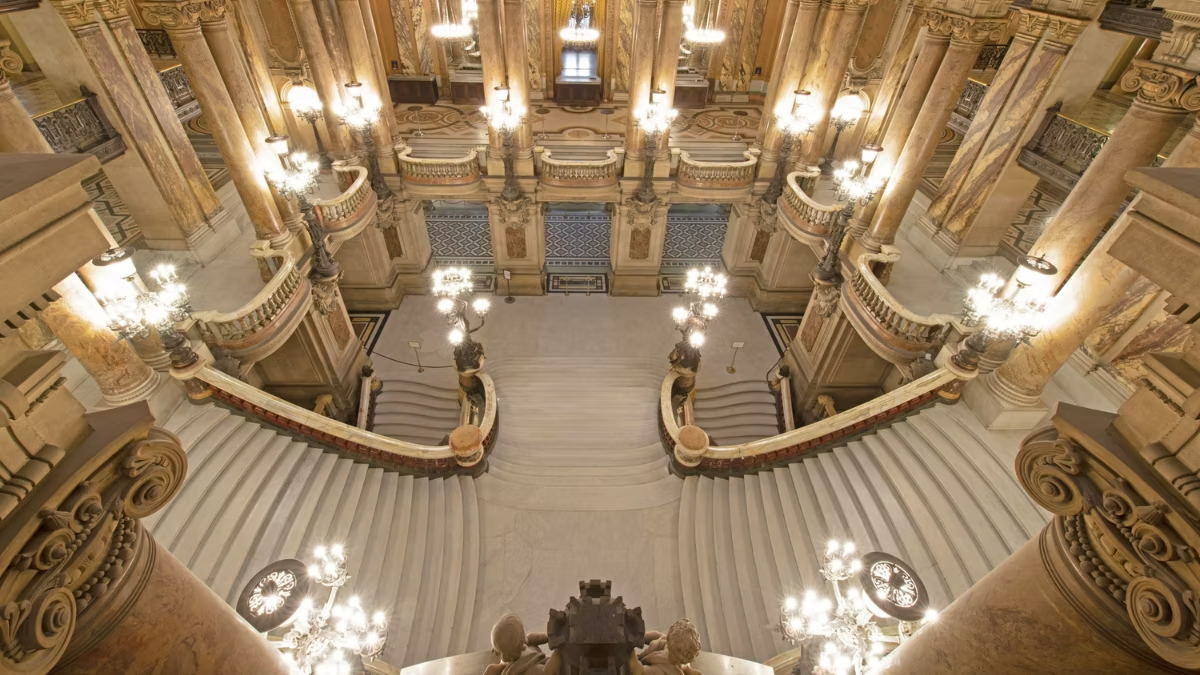
The monumental Grand Escalier is one of the most photographed interiors in Paris — a sweeping double flight of white Carrara marble flanked by onyx balusters and cascading candelabras. Arriving here feels like stepping into the 19th century at its most lavish.
Read more →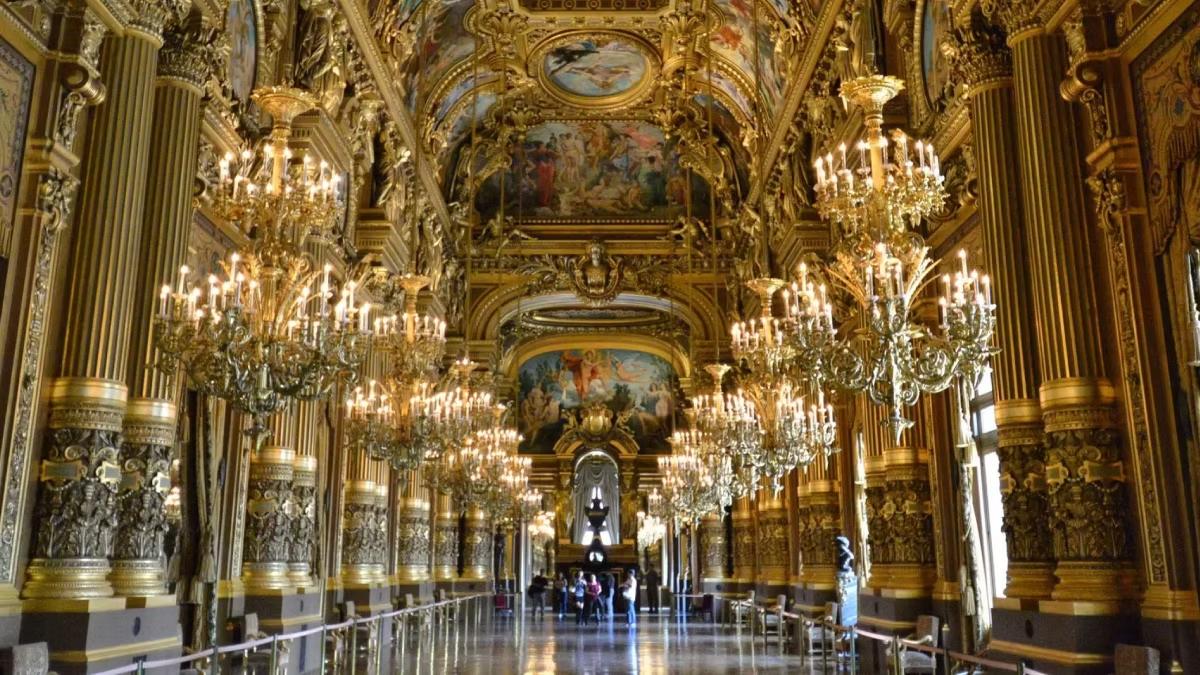
The Grand Foyer
Stretching 54 metres along the front of the building, the Grand Foyer rivals the Hall of Mirrors at Versailles in its gilded excess — painted vaulted ceilings, crystal chandeliers, and tall windows overlooking the Boulevard des Capucines. This is where Paris society has promenaded since 1875.
Read more →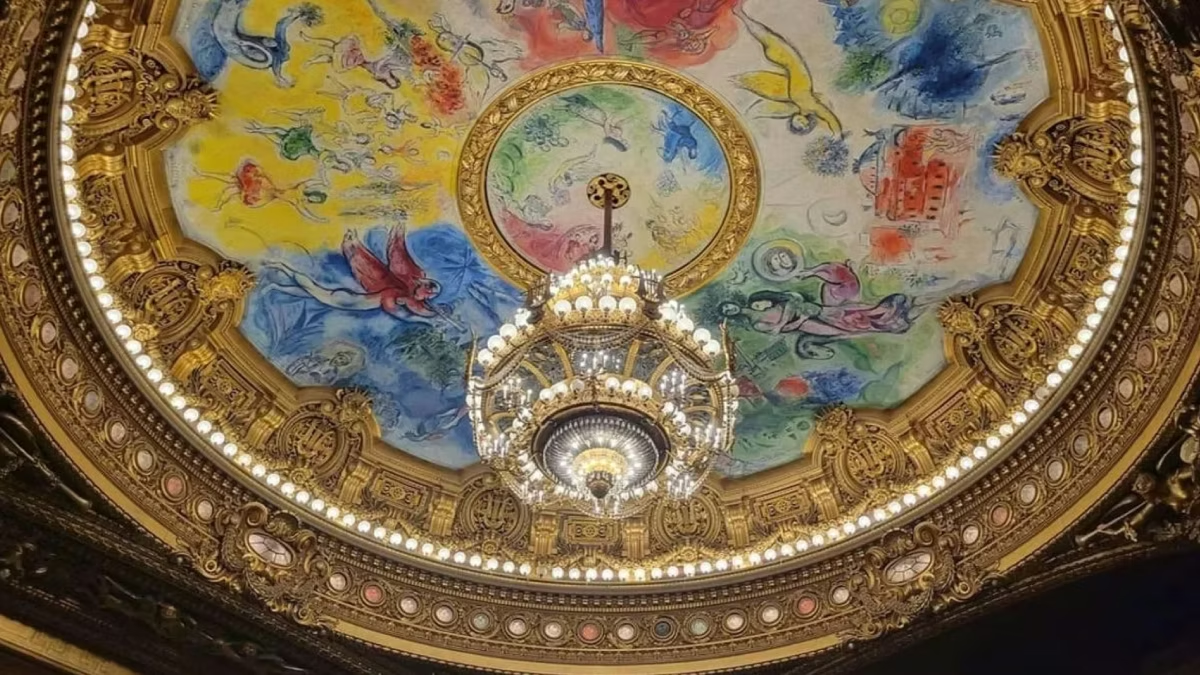
The Auditorium & Chagall Ceiling
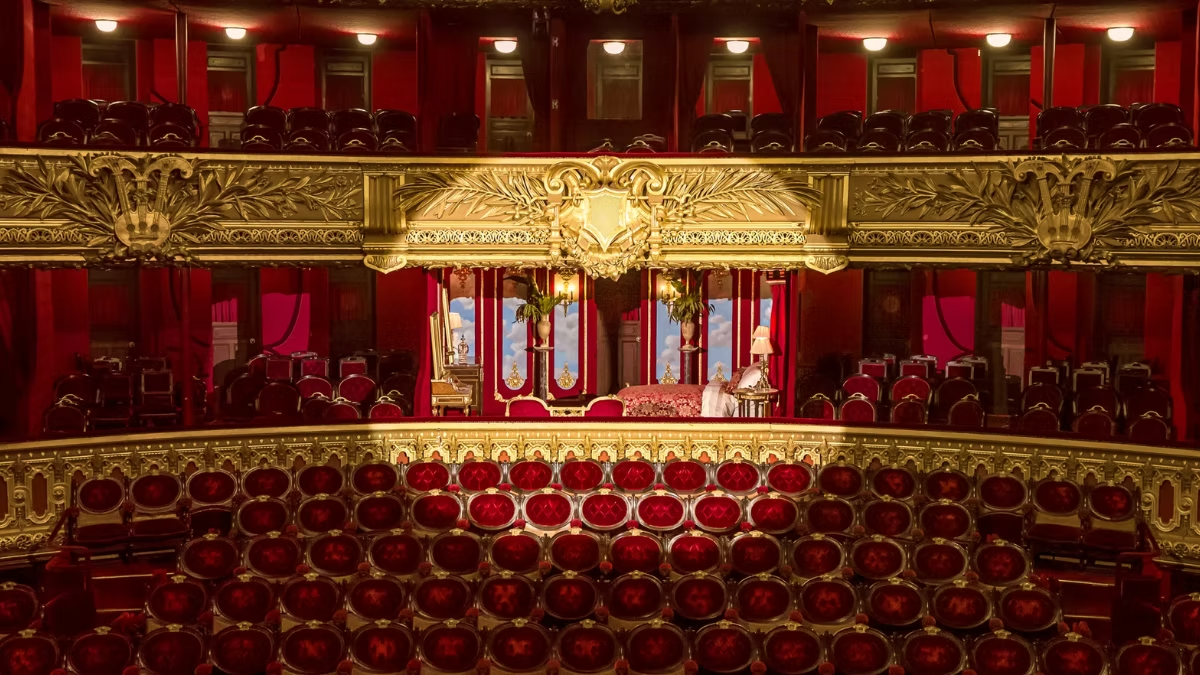
The 1,979-seat horseshoe auditorium dazzles with its crimson velvet, gilded tiers, and the famous ceiling painted by Marc Chagall in 1964 — a dreamlike swirl of colour depicting scenes from fourteen operas and ballets. It is the defining image of the Palais Garnier.
Read more →Top Highlights at Opera Garnier
The building’s most celebrated interiors — staircase, foyer, auditorium, lake, library, and rooftop.
Grand Staircase of Opera Garnier
Opera Garnier's showstopping Grand Staircase features seven distinct marble varieties and sculptures by leading 19th-century artists, making it the most photographed interior in the building.
Read guide →
The Grand Foyer
A guide to the 54-metre Grand Foyer with its ceiling paintings, chandeliers, mirrors, and gilded detail often compared to Versailles.
Read guide →
The Auditorium & Chagall Ceiling
Marvel at Marc Chagall's vivid 1964 painted ceiling, an eight-tonne chandelier with Phantom of the Opera fame, and the classic horseshoe auditorium of the Paris Opéra.
Read guide →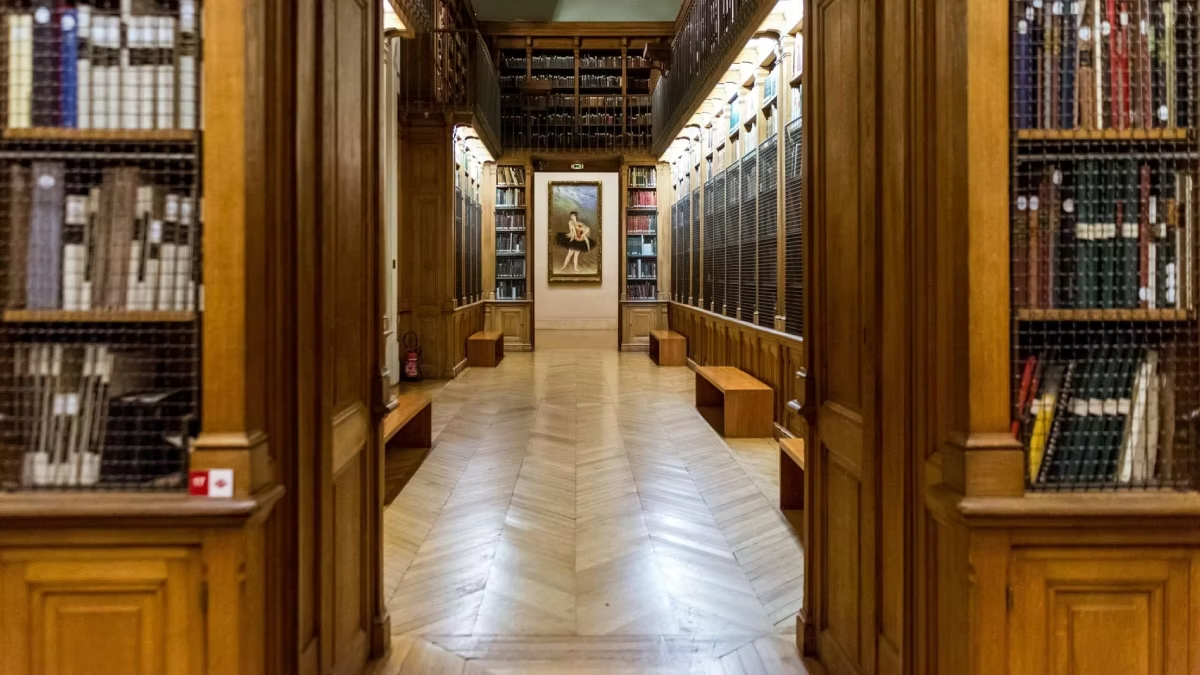
The Opera Library & Museum
Explore the Bibliothèque-Musée de l'Opéra inside Palais Garnier, where 600,000 documents, historic costumes, set models, and performance archives chronicle 350 years of French opera.
Read guide →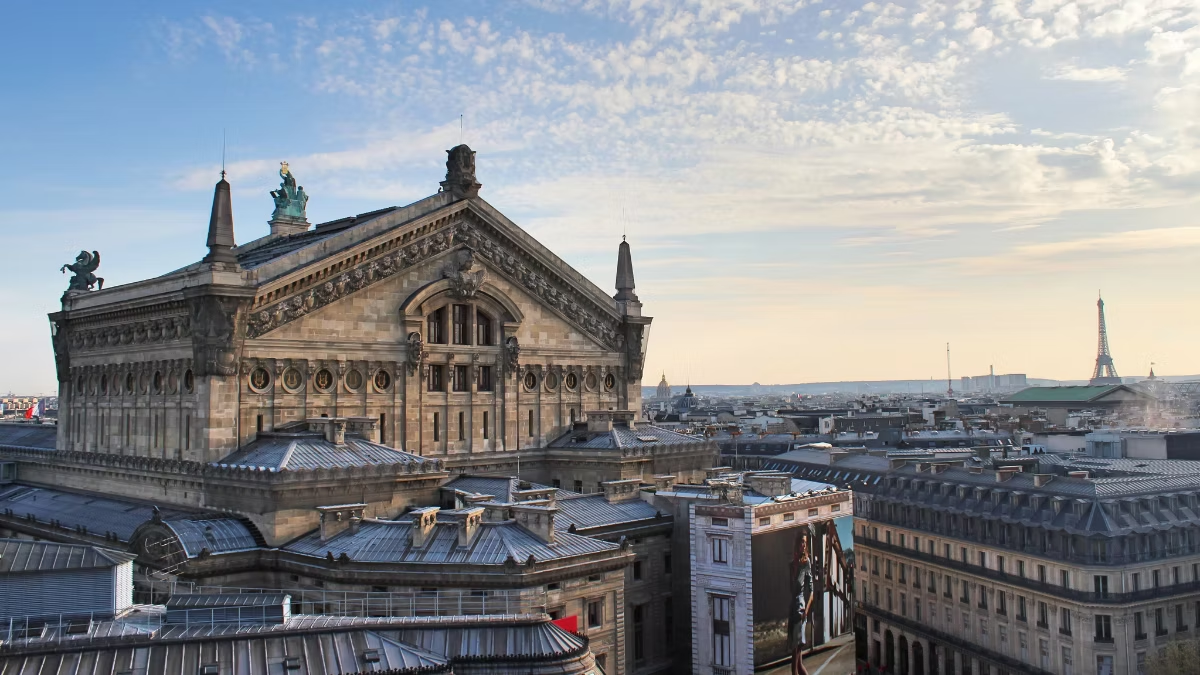
The Rooftop Terrace
When the rooftop terrace is open, what views you can expect across Paris, and the Apollo sculpture group that crowns the building.
Read guide →
The Underground Lake
Beneath the Palais Garnier lies a real underground lake fed by the water table, used today as a fire reservoir and the inspiration for the Phantom of the Opera legend.
Read guide →Architecture & History
Charles Garnier, Napoleon III, the Beaux-Arts style, and 150 years of history.
History of Opera Garnier
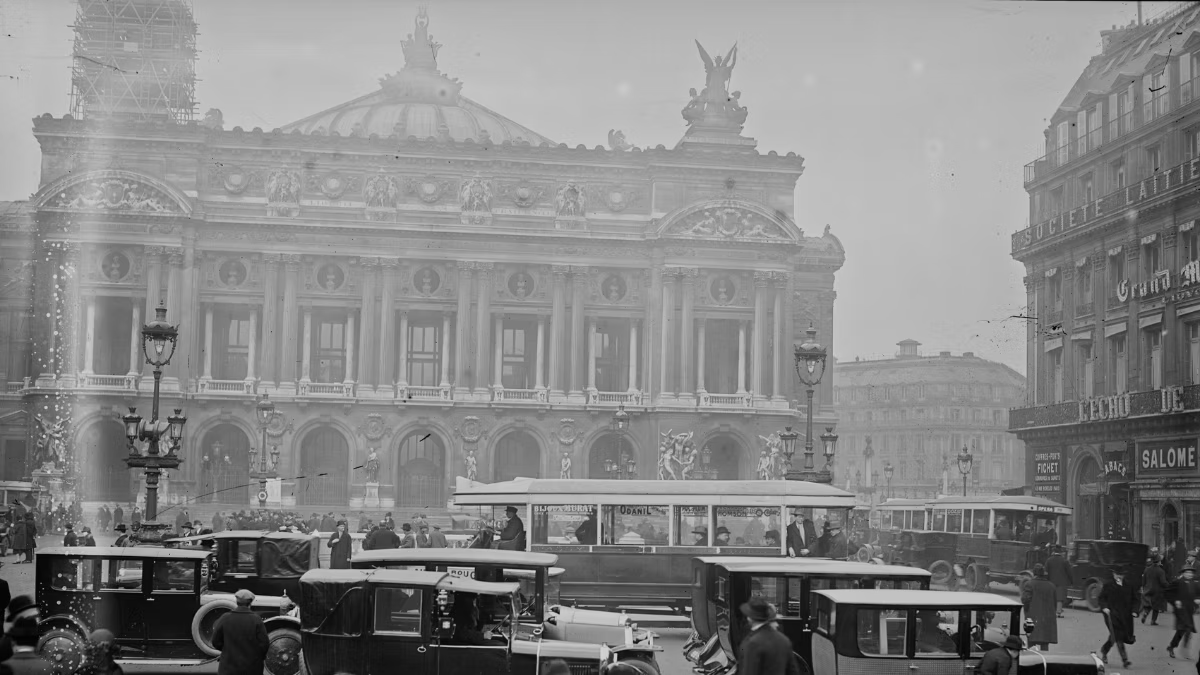
The full history of Palais Garnier from its 1861 commission through the Franco-Prussian War delay to its 1875 opening and evolution since.
Read guide →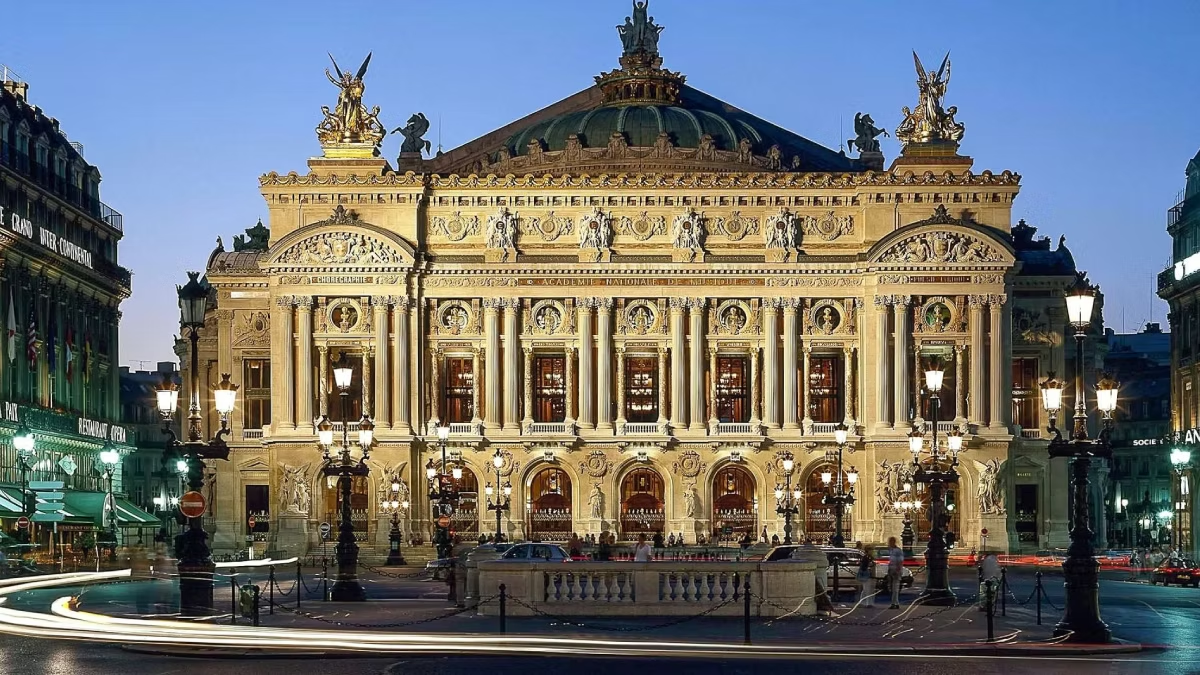
Napoleon III & the Creation of Opera Garnier
The political context behind Napoleon III commissioning the opera house as part of Haussmann s transformation of Paris.
Read guide →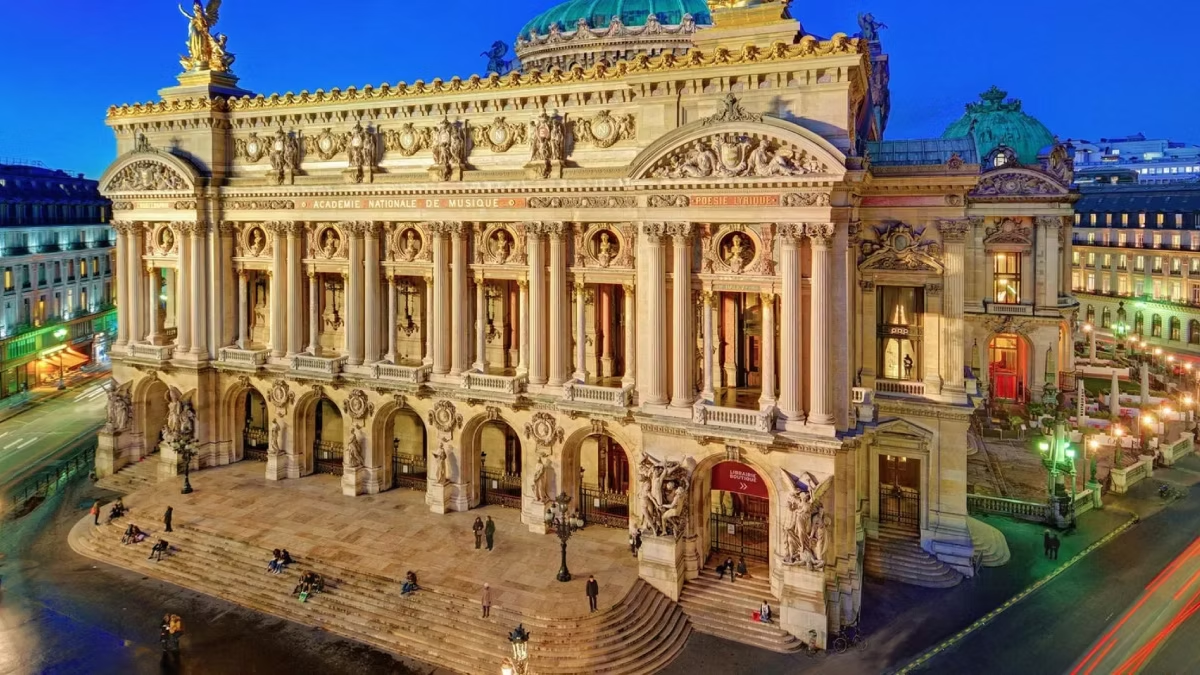
Charles Garnier — The Architect
The self-taught architect who won the Paris Opéra competition at 35, defining the flamboyant Second Empire style that made him one of France's most celebrated designers.
Read guide →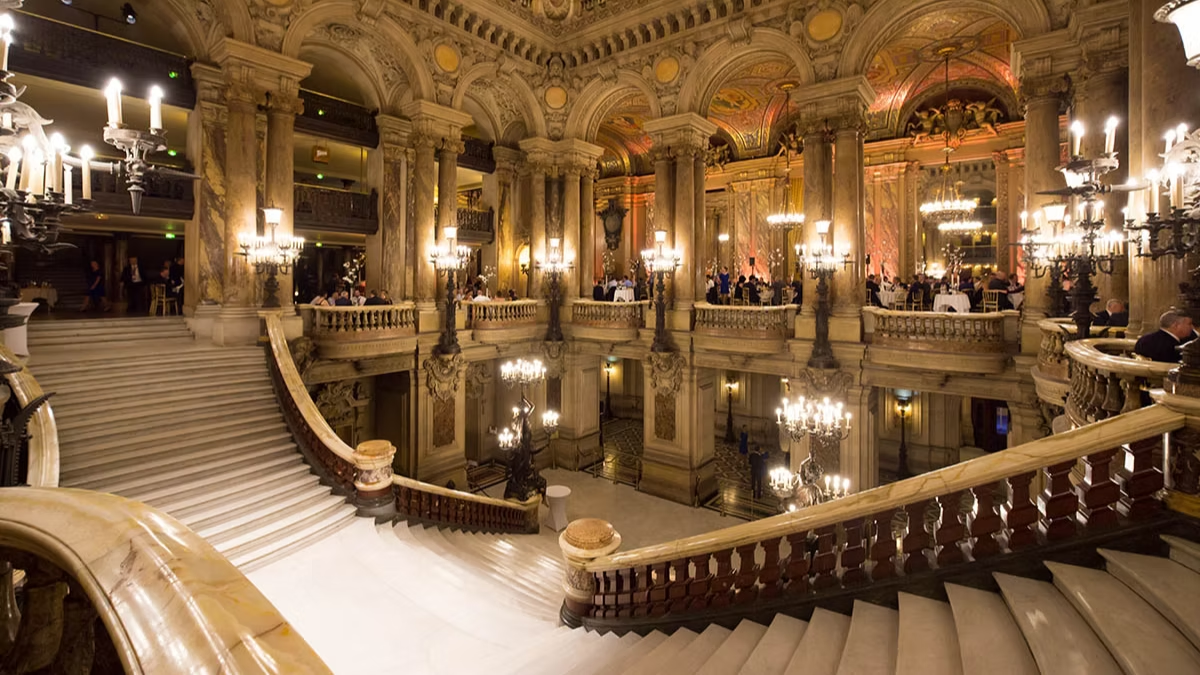
Opera Garnier Architecture Style Explained
Discover the opulent Beaux-Arts style of Palais Garnier, from its sculpted stone facade and gilded interiors to the symbolism behind its iconic design elements.
Read guide →Phantom & Culture
The Phantom of the Opera, famous performances, and Garnier vs Bastille compared.
The Phantom of the Opera — The Real Story
How Gaston Leroux s 1910 novel drew on real features of the building, from the underground lake to Box 5, and what visitors can see today.
Read guide →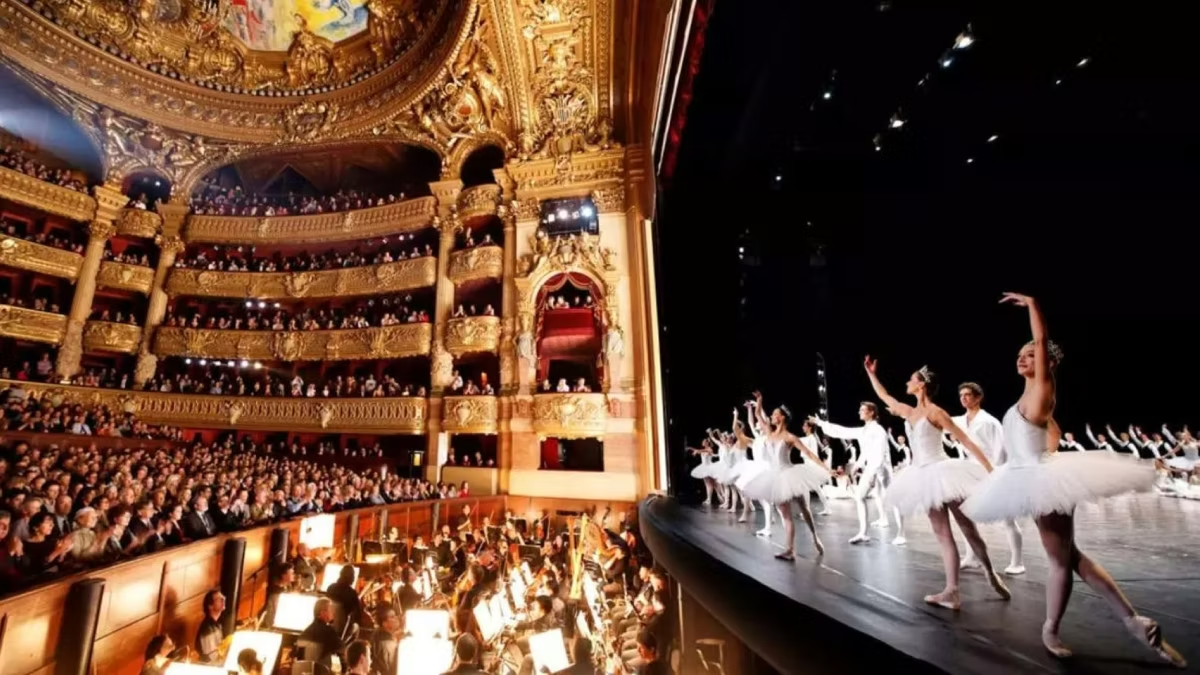
Famous Performances & Milestones at Opera Garnier
A timeline of landmark performances at Palais Garnier, from premieres and the Nureyev era to the Chagall ceiling unveiling and modern programming.
Read guide →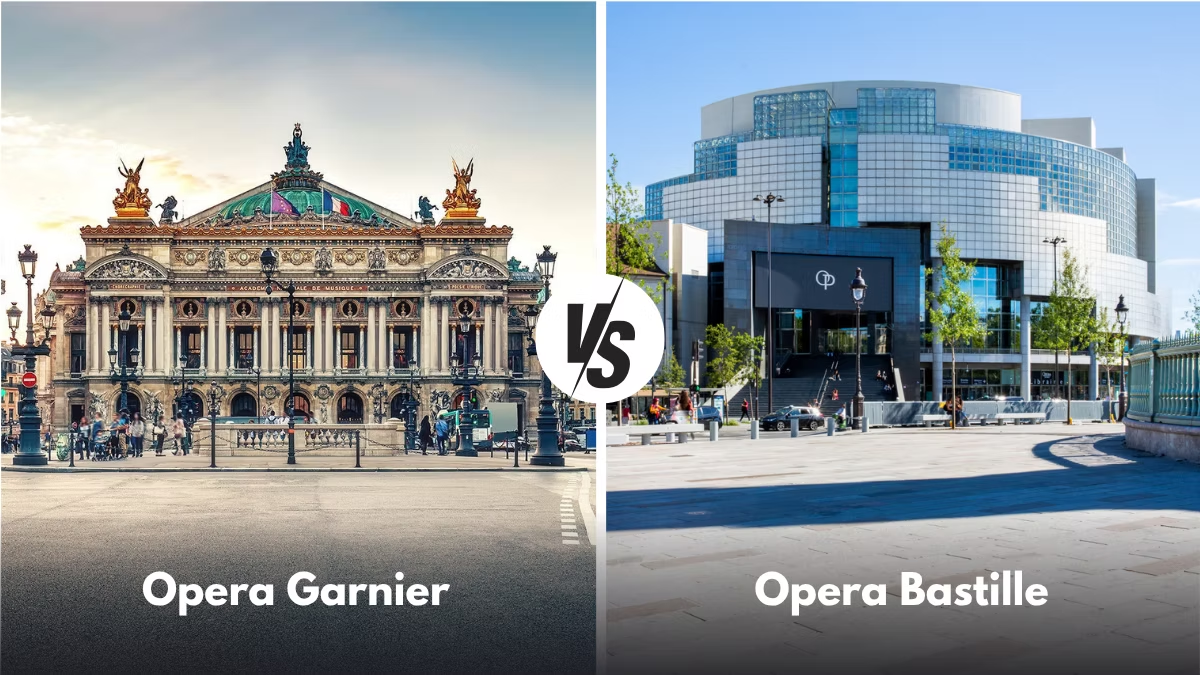
Opera Garnier vs Opéra Bastille — Which to Visit?
A comparison of Palais Garnier and Opera Bastille covering architecture, programming, atmosphere, and how to decide which venue to visit.
Read guide →Reference
FAQ and quick-reference guides for Opera Garnier visitors.
FAQ: Everything You Need to Know About Opera Garnier
Covers tickets, opening hours, dress code, photography rules, guided tour options, and accessibility details for planning your visit to Opera Garnier.
Read guide →How to Choose What to See
A few simple ways to decide based on your timing, travel style, and budget.
If you have limited time
With under two hours, focus on the spaces that define the Garnier’s legend.
- Head straight to the Grand Staircase — it sets the tone for everything else
- Spend at least 20 minutes in the Grand Foyer, one of the most ornate rooms in France
- Look up in the auditorium to see Chagall’s ceiling before the crowd builds
- Skip the underground lake tour — it requires a separate booking and adds 45 minutes
If you want to attend a performance
Seeing a ballet or opera here is a fundamentally different experience from a daytime visit.
- Check the Paris Opera schedule at least 6–8 weeks ahead — popular nights sell out fast
- Category 3 and 4 seats offer good sightlines at roughly half the price of front orchestra
- Arrive 30 minutes early to explore the foyer and staircase before doors open
- Smart casual dress is standard — a formal dress code is not enforced but jeans stand out
If you are visiting with children
The Garnier rewards curious kids but requires a bit of planning to hold their attention.
- The guided ‘family visit’ (ages 6–12) runs on select Sundays and turns architecture into storytelling
- The rooftop terrace tour gives children a view of the copper-green Apollo and the Paris skyline
- Avoid peak midday hours in July and August — queues inside the marble corridors get long and hot
- The phantom legend is a genuine crowd-pleaser — mention Gaston Leroux before you arrive
If you are an architecture or history enthusiast
The Garnier rewards deep attention — every surface, material choice, and spatial sequence was deliberate.
- Book the full guided tour to access areas closed to self-guided visitors, including backstage corridors
- Study Charles Garnier’s eclectic style beforehand — the building consciously layers Greek, Baroque, and Renaissance references
- The beehives on the roof are a lesser-known detail worth seeking out — they have been there since the 1980s
- Cross-reference the building with the nearby Opéra Comique to understand the stylistic contrast Garnier was reacting against
Practical Information
Quick-read guidance for scheduling, pacing, and general comfort during your visit.
Navigating the Grand Staircase & Foyers
The ceremonial spaces are as important as the auditorium itself — plan time to explore them properly.
- Arrive 30–45 minutes before a performance to walk the Grand Staircase without crowds
- The Grand Foyer runs the full width of the building; most visitors miss the smaller Salon du Glacier at the east end
- Look up at the ceiling medallions in the foyers — each depicts a different composer
- Photography is permitted in public areas during daytime visits; flash is prohibited in the auditorium
- The loggia balconies overlooking the Opéra Avenue offer one of the best free panoramic views in Paris
Seeing the Chagall Ceiling
The 1964 Chagall painting covering the auditorium ceiling is the single most photographed element — position yourself correctly to see it.
- The ceiling is only fully visible from the orchestra-level seats or the main standing area — upper balcony views are partial
- During a daytime visit, walk to the center of the parterre for the best unobstructed sightline
- The painting depicts 14 operas and ballets; pick up the free map at the entrance to identify each scene
- Red velvet and gold leaf surrounding the Chagall create strong contrast — midday natural light through the chandelier is ideal for photos
- Binoculars are useful during performances and recommended for any upper-tier seat
The Underground Lake & Phantom Lore
The famous subterranean lake beneath the building is real — here is what visitors can and cannot access.
- The lake is not open to the general public; it sits below the fifth basement level and serves as a water reserve for the Paris fire brigade
- Guided tours occasionally reference it but do not descend to it — confirmed access routes do not exist for visitors
- The 1910 flood filled the lake to capacity; water levels are monitored but the lake is permanent
- Erik Satie and other artists did use rehearsal spaces in the building’s lower levels — this contributed to Leroux’s inspiration
- The building has 17 floors including 7 below ground; most visitor areas are floors 1–3
Rooftop & Exterior Details
The exterior sculpture program and rooftop are often overlooked but reward close attention.
- The rooftop with its distinctive green copper dome is accessible on certain guided tours — check the official schedule in advance
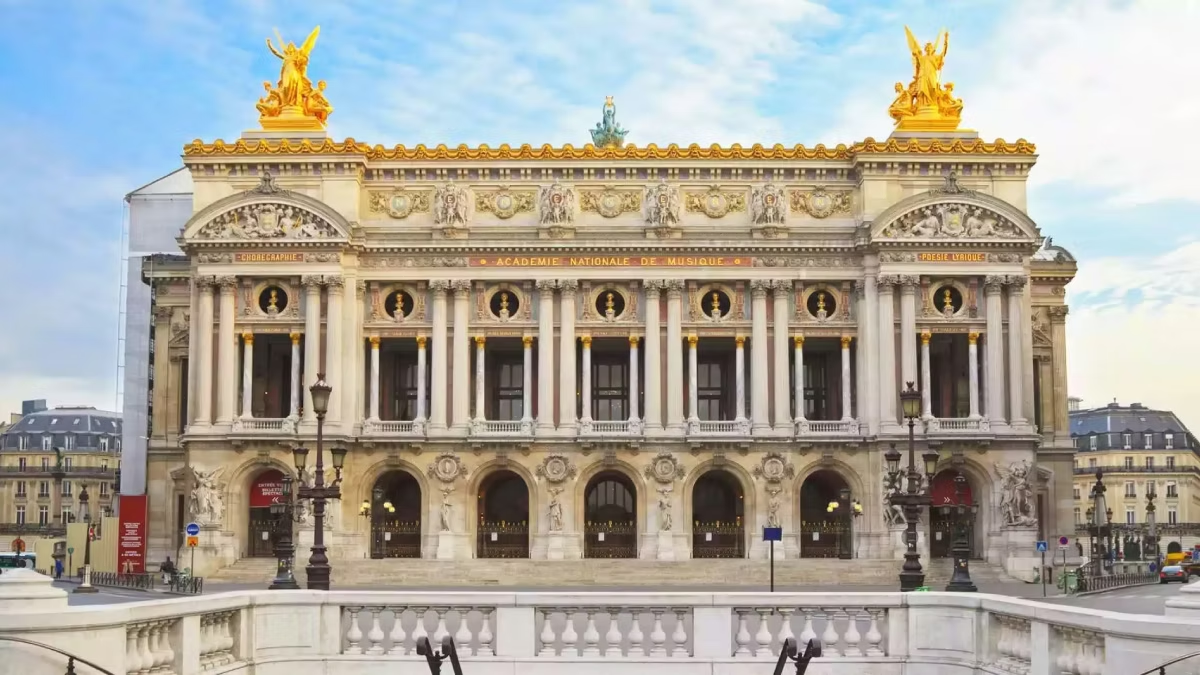
- The main facade on Place de l’Opéra has seven arched bays; the gilded busts above them represent composers and librettists
- Carpeaux’s original ‘La Danse’ sculpture (now in the Musée d’Orsay) is replaced by a 1964 copy — the original is worth seeing separately
- The beehives on the roof have been maintained since 2012 as part of a Paris urban beekeeping programme
- Evening lighting turns the facade amber after dusk — the Place de l’Opéra is traffic-heavy, so use the pedestrian crossings on Rue Scribe
Things to Know Before You Visit
Key reminders for a smooth visit.
Continue Exploring
Discover more about Palais Garnier.

Tickets & Tours
Compare entry tickets, guided tours, audio guides, and combo tickets with other Paris attractions.
Explore ticket options →
Plan Your Visit
Opening hours, what to wear, how to get there, and everything you need before you go.
Read the Visitor GuideFrequently Asked Questions
Common questions about what to see.